

REINVENTING FINANCE WITH INTELLIGENCE,
INTEGRITY & IMPACT
WHO WE ARE
2026 © Fintecgrity. All rights reserved. developed by safraznazar.com
REINVENTING FINANCE WITH INTELLIGENCE,
INTEGRITY & IMPACT
WHO WE ARE
2026 © Fintecgrity. All rights reserved. developed by safraznazar.com

Explore our latest articles, practical guides, and sector reports on finance transformation, operations, and BPO success stories.
Read More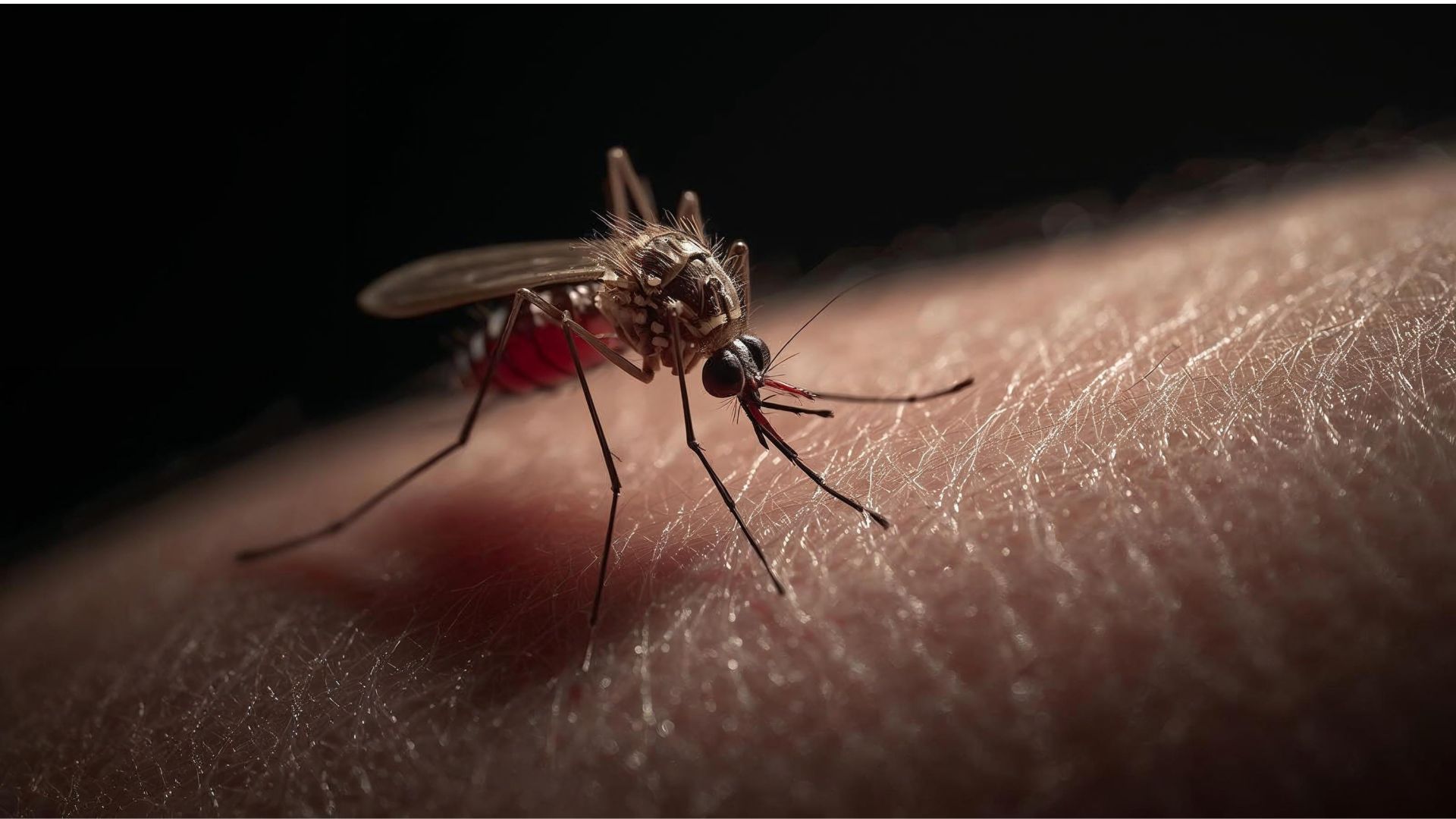
Climate-Linked Dengue Risk Modelling | Sri Lanka | Public Health & Climate Resilience
Climate-Linked Dengue Risk Modelling | Sri Lanka | Public Health & Climate Resilience
Lead Research Advisor
Prof. Roshini Sooriyarachchi, University of Colombo (Co-author: Shanika L. Wickramasuriya, Department of Statistics)
Problem Statement
Sri Lanka faces recurring dengue outbreaks with increasing severity, influenced by climate variability, population vulnerability, and health system pressures. At the time of the study, there was limited national-scale, statistically validated evidence linking demographic, clinical, and climatological factors to dengue severity.
Intervention Design
A national multilevel statistical study was conducted to identify the drivers of different types of dengue infections by integrating:
Clinical data
Demographic data
Climatological data
Geographic clustering (district-level effects)
The research applied advanced multilevel modelling techniques to understand both individual-level and district-level risk factors.
Total Program Value
Academic national-scale research study (Data sourced from Sri Lanka national dengue surveillance systems)
Target Population / Coverage
5,059 confirmed dengue patients
15 districts across Sri Lanka
Study period: 2006–2008
National epidemiological coverage
Measured Outputs
Identification of high-impact demographic predictors: Age, Sex
Identification of critical clinical indicators:
Platelet Count
Packed Cell Volume (PCV)
Survival Time
Quantification of climatological influence:
Rainfall
Temperature
Humidity
Lag effects
Validation of district-level clustering effects
Measured Outcomes
Statistically proven link between climate variables and dengue severity
Evidence base for early-warning disease surveillance models
Strong foundation for predictive public health analytics
Direct relevance to climate-driven epidemic preparedness
Independent Verification
Peer-reviewed academic research
National surveillance data
University-based statistical validation
Sustainability & Long-Term Impact
Enables climate-linked early warning systems for dengue outbreaks
Informs donor-funded epidemic preparedness programs
Supports health system resilience and climate adaptation strategies
Donor Relevance
Demonstrates how climate intelligence, clinical data, and predictive analytics can be used together to:
Prevent loss of life
Improve outbreak response
Strengthen climate-resilient health systems
Institutional Assurance Statement
“This case study is supported by peer-reviewed research, national surveillance data, and independent academic verification.”
Was this helpful?
Related Articles
Stay updated with the latest insights, industry trends, and expert analysis on finance transformation and operations.
View All ArticlesShare with your friends